Reddit is a respected forum with real user experience, especially for Mount Meru, Mount Kenya, and Mount Kilimanjaro climbers. Mount Kilimanjaro, Africa’s highest peak at 5,895 meters (19,341 ft), draws thousands of climbers each year. Success isn’t guaranteed — rates range from around 50% on short routes with poor operators to 85–95%+ on longer routes with reputable ones. Choosing the right tour operator is one of the most important decisions you’ll make. It directly impacts your safety, summit success, ethical treatment of porters and guides, and overall experience. Marketing websites and glossy brochures can be misleading. That’s where Reddit shines. The platform offers unfiltered, real-world experiences from recent climbers who have no financial incentive to promote or hide issues. https://www.tranquilkilimanjaro.com/mount-kilimanjaro-tour-packages/ Why Reddit Excels for Kilimanjaro Research Reddit’s strength lies in its community-driven, detailed discussions. Climbers share day-by-day accounts, photos, specific complaints or praises about operators, route comparisons, altitude sickness management, gear lists, and more. You’ll find honest feedback on what actually happened on the mountain in 2024, 2025, and early 2026—far more transparent than many review sites. The dedicated subreddit r/kilimanjaro is the epicenter. It’s active with posts asking for operator recommendations, sharing trip reports, and discussing preparation. The community also maintains a helpful wiki/guide on climbing safely and ethically. How to Research Effectively on Reddit Here’s a practical step-by-step approach used by many successful climbers: Start with targeted searches in r/kilimanjaro (or site:reddit.com for broader results): “best Kilimanjaro operator 2025” or “2026” “[Company name] review Kilimanjaro” “Kilimanjaro Lemosho [company]” or “Machame success rate” Sort by “New” or “Top” and filter for recent posts (ideally within the last 1–2 years). Read full threads, not just top comments. Look for patterns across multiple independent users. Check poster credibility — users with detailed histories or multiple posts often provide richer insights. Ask
Reddit is a respected forum with real user experience, especially for Mount Meru, Mount Kenya, and Mount Kilimanjaro climbers. Mount Kilimanjaro, Africa’s highest peak at 5,895 meters (19,341 ft), draws thousands of climbers each year. Success isn’t guaranteed — rates range from around 50% on short routes with poor operators to 85–95%+ on longer routes
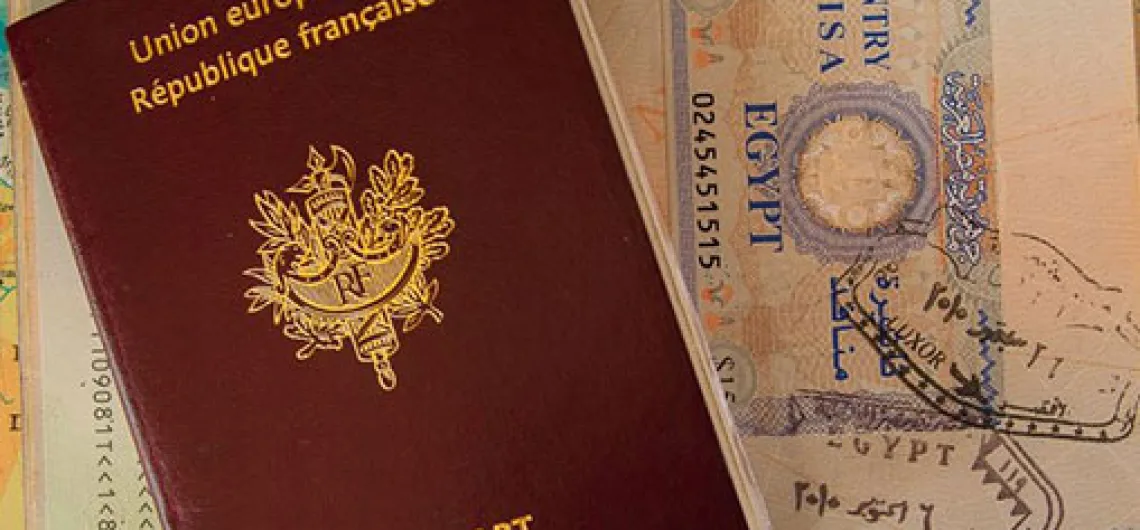
If you’re planning to climb Mount Kilimanjaro and maybe add a safari afterward, one of the first practical questions that comes up is: Should I get my Tanzania visa on arrival or apply online before I travel? The short answer is: Both options are possible for most nationalities, but getting your visa in advance (e-Visa) is almost always the smarter and less stressful choice — especially if you’re landing at Kilimanjaro International Airport (JRO) after a long flight and just want to get to your hotel in Moshi without delays. Here’s a clear, honest breakdown based on what travelers and tour operators are experiencing right now. Visa on Arrival: Still Available, But Not Always Smooth Yes, you can still get a visa on arrival at Kilimanjaro International Airport if your nationality is eligible. Many people do it every week without major problems. You’ll find immigration officers processing visas right after you land. Pros of Visa on Arrival: No need to apply before traveling. You can pay in cash (usually USD) or sometimes by card. It works well if your flight arrives during quieter hours. Cons of Visa on Arrival: Queues can be long, especially when multiple international flights land around the same time. Processing can take anywhere from 30 minutes to over two hours. You’re at the mercy of how busy the airport is that day. Some travelers report being asked extra questions or having to show proof of accommodation and return tickets on the spot. If anything goes wrong with your documents, you’re already in Tanzania with no backup plan. For people doing a straightforward Kilimanjaro climb, this option still works for many. But if you’re combining your climb with a safari (which most people do), the last thing you want is to be exhausted and standing in a
If you’re planning to climb Mount Kilimanjaro and maybe add a safari afterward, one of the first practical questions that comes up is: Should I get my Tanzania visa on arrival or apply online before I travel? The short answer is: Both options are possible for most nationalities, but getting your visa in advance (e-Visa)
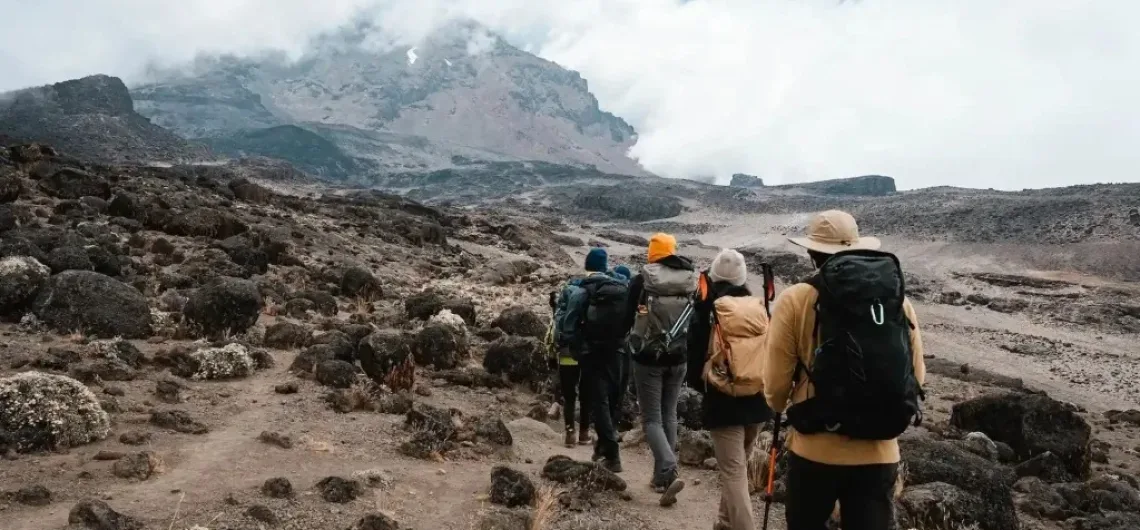
The ideal trekking pace on Mount Kilimanjaro is deliberately slow and measured—roughly half your normal walking speed. Guides will frequently remind you to go "pole pole" (Swahili for "slowly, slowly") to conserve your energy and allow your body to gradually acclimatize to the dropping oxygen levels. You've probably heard this from us countless times: Kilimanjaro is like a marathon, not a 100 m dash. It is a test of your perseverance, mental and physical stamina; slow and steady wins. Pole Pole: The Most Important Swahili Phrase You’ll Hear on Kilimanjaro If you’re planning to trek Mount Kilimanjaro, one of the first practical questions that comes up is: “How much ground will I actually cover each day?” The answer isn’t a single number because it depends on your route, the specific day, and the emphasis on slow, steady progress for acclimatization. But here’s the realistic picture based on standard itineraries from experienced operators and climbers. Elevation gain on your Kilimanjaro trek for Lemosho, Machame and Marangu routes Daily Hiking Breakdown Standard Trek: Expect to hike for 4 to 7 hours on most days, covering roughly 5 to 10 miles depending on your route. Summit Night: The pace drops to its absolute slowest, sometimes moving at less than 1.6 km/h (1 mph). Moving this slowly prevents exhaustion and altitude sickness during the final steep push. Duration: Treks generally take 5 to 9 days, with 7- to 8-day routes offering the best success rates. Why the Slow Pace Matters Avoiding Altitude Sickness: Moving too quickly at altitude does not give your body enough time to adjust, significantly increasing the risk of severe symptoms. Saving Energy: Climbing Kilimanjaro is a test of endurance rather than speed. Maintaining an easy, conversational pace preserves energy for consecutive days of hiking. Success Rate: Tours taking 7+ days
The ideal trekking pace on Mount Kilimanjaro is deliberately slow and measured—roughly half your normal walking speed. Guides will frequently remind you to go “pole pole” (Swahili for “slowly, slowly”) to conserve your energy and allow your body to gradually acclimatize to the dropping oxygen levels. You’ve probably heard this from us countless times: Kilimanjaro
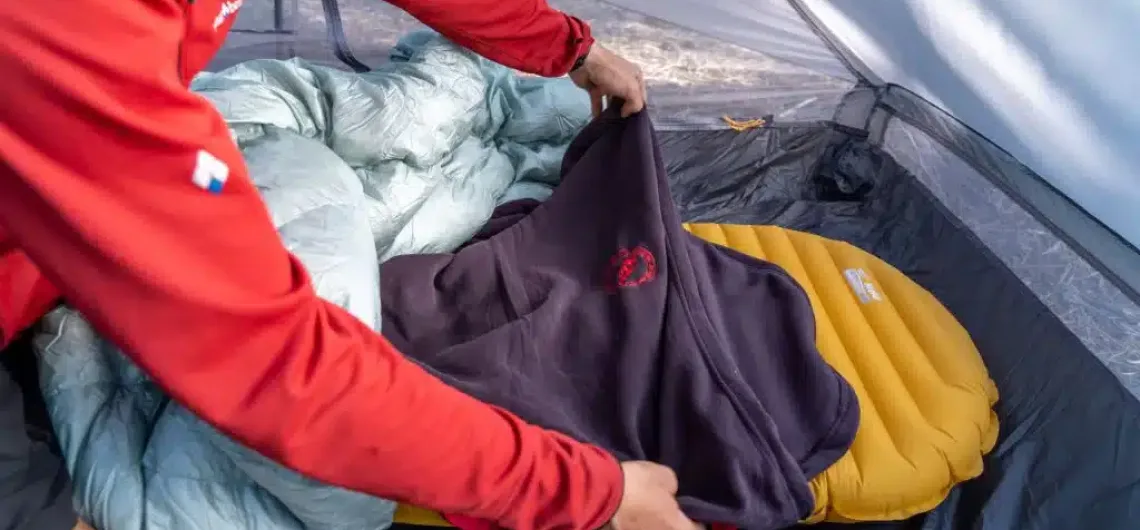
Sleeping well on Mount Kilimanjaro is just as important as your daytime gear and physical training. At high camps (especially Barafu at 4,700 m and Crater Camp at 5,700 m), nighttime temperatures regularly drop to -10°C to -20°C (14°F to -4°F), sometimes feeling even colder due to windchill and the thin air at altitude. Your body is already stressed from the day’s exertion and lower oxygen levels, which makes quality sleep essential for recovery, reducing the risk of altitude sickness, and maintaining the strength needed for the long summit push.A well-planned sleep system — consisting of your sleeping bag, sleeping pad, liner, and the right clothing — can make the difference between waking up refreshed and waking up exhausted and cold. Many climbers underestimate how cold the nights get above 4,000 m, especially during the popular dry seasons (January–February and June–September). The following guide provides detailed, practical advice based on recommendations from experienced guides, reputable operators, and thousands of successful summiteers. 1. What to Wear Inside the Sleeping Bag The key principle is to wear clean, dry, layered clothing that traps body heat without causing you to sweat inside the bag. Wet or damp clothes conduct heat away from your body and can make you much colder. Recommended sleep outfit (layer by layer): Base Layer (Next to Skin): A high-quality merino wool or synthetic thermal top and bottoms (long underwear). Merino is preferred because it naturally resists odor, wicks moisture effectively, and stays warm even when slightly damp. Choose a set with good stretch for comfort. Mid Layer: A lightweight or mid-weight fleece jacket or pullover. This adds significant insulation without much bulk. On the coldest nights (especially at Barafu or higher), many climbers also wear their summit down jacket inside the sleeping bag. Legs: Thermal leggings + soft fleece
Sleeping well on Mount Kilimanjaro is just as important as your daytime gear and physical training. At high camps (especially Barafu at 4,700 m and Crater Camp at 5,700 m), nighttime temperatures regularly drop to -10°C to -20°C (14°F to -4°F), sometimes feeling even colder due to windchill and the thin air at altitude. Your
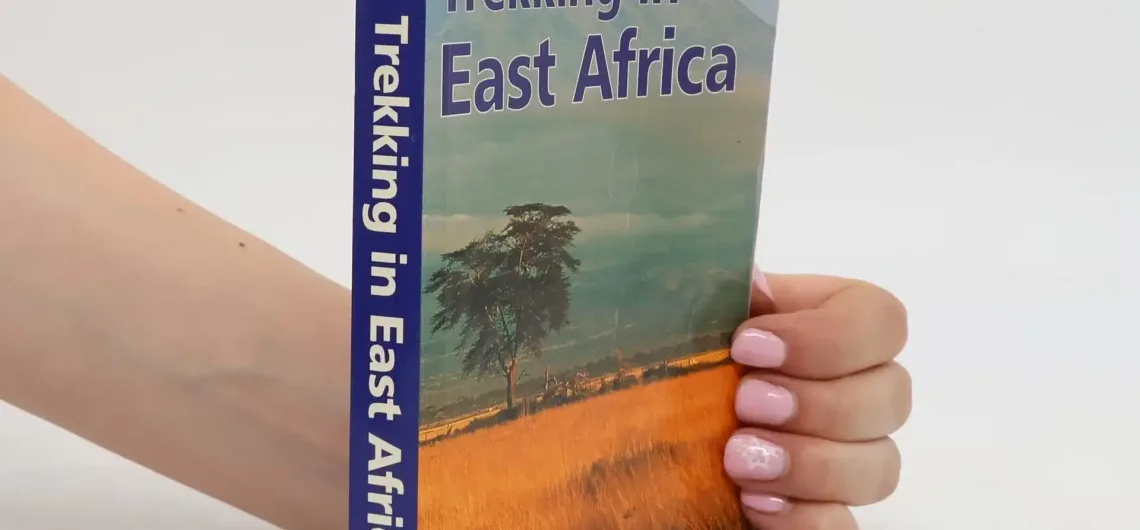
Reading about Kilimanjaro before your climb can greatly enrich the experience. Are you an avid reader, a bookworm, just curious about the highest mountain in Africa, and you own a Kindle and want to get inspiration for your climb? This list of books about Mount Kilimanjaro and the experience of climbing it is compiled for you, with love. The good thing is I have arranged them by category, depending on what you want to go for, and most of these books can be easily found online for purchase or for free on Amazon, Goodreads, or Google Books, or you can purchase them from the shelves in bookstores near you. The right books provide practical preparation, emotional inspiration, cultural context, and insight into the physical and mental journey ahead. Below is a curated selection of 20 excellent books, organized into categories with meaningful introductions. “The Snows of Kilimanjaro” - Ernest Hemingway’s African safari story from 1936 Essential Trekking Guides These guides offer the most reliable, up-to-date information on routes, preparation, safety, and logistics. They are essential reading for anyone planning to climb Kilimanjaro. 1. Kilimanjaro by Henry Stedman Widely considered the most comprehensive trekking guide available. It covers every major route with detailed maps, training advice, gear recommendations, and safety tips. Buy on Amazon 2. Lonely Planet Trekking in East Africa by David Else A trusted resource that covers Kilimanjaro alongside other regional treks. It includes practical advice on routes, cultural considerations, and how to combine your climb with broader East African mountains and travel. Buy on Amazon 3. Lonely Planet Tanzania by Mary Fitzpatrick The best general travel guide to Tanzania. It provides useful context on Kilimanjaro and practical tips if you plan to combine your climb with a safari or coastal trip. Buy on Amazon 4. Kilimanjaro & Mount
Reading about Kilimanjaro before your climb can greatly enrich the experience. Are you an avid reader, a bookworm, just curious about the highest mountain in Africa, and you own a Kindle and want to get inspiration for your climb? This list of books about Mount Kilimanjaro and the experience of climbing it is compiled for