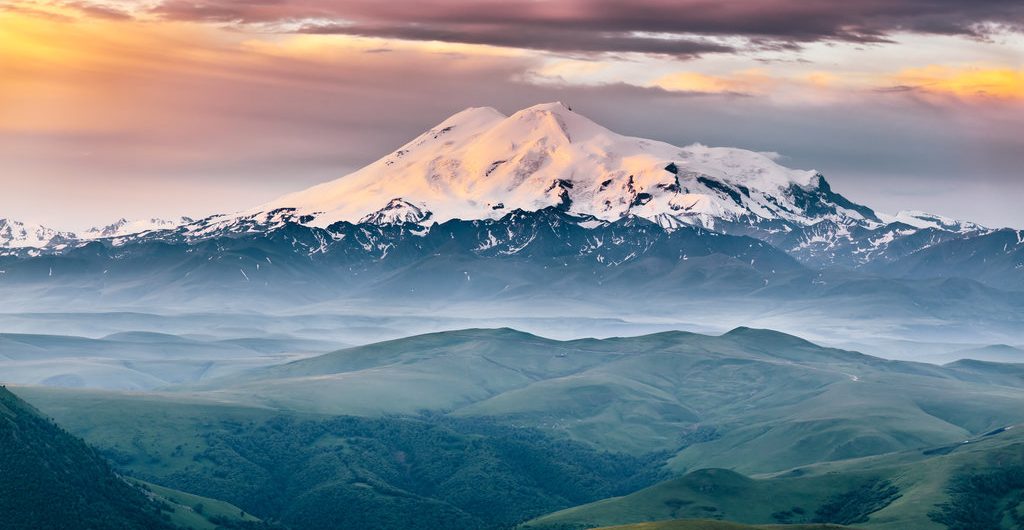
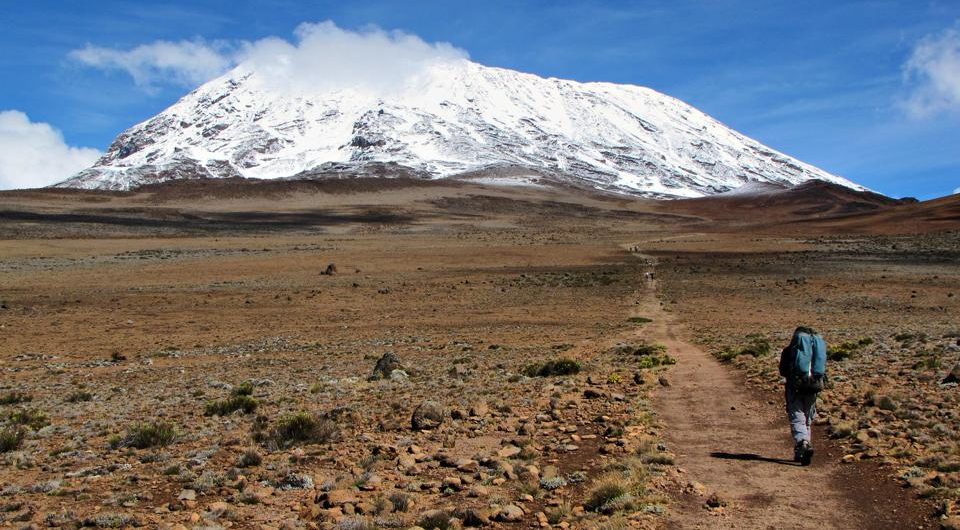
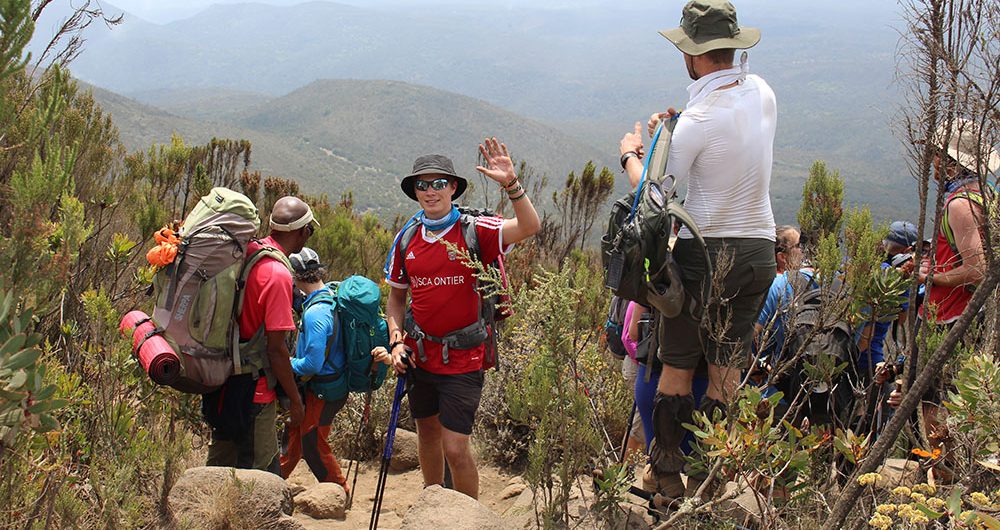
The difference in height between Kilimanjaro and Elbrus is about 253m. Mount Kilimanjaro, first of all, is higher ( 5,895m) and is a free-standing mountain, Mount Elbrus on the other hand belongs to a mountain range and is 5,642m high. Climbing these two mountains is pretty different. Kilimanjaro usually necessitates many miles of mostly steep walking spread out over a week. The majority of people sleep in tents, with porters helping them carry their belongings, set up camp, cook, and so forth. Finally, on summit day, the path climbs roughly 4,000 feet in rugged terrain, with snow or ice on occasion. The majority of the path is dirt, with some rough portions. It can be a bit depressing when it's raining. Climbing Elbrus, on the other hand, usually entails taking a chairlift to a point under the huts and then lugging your own stuff the final quarter mile or so. The huts, which are located at an elevation of roughly 12,000 feet, were originally fairly opulent but are now worn down. The majority of climbers stay in these huts, which are equipped with a chef and food. The day following arriving at base camp, an acclimatization walk to Pastukhov Rocks, fondly known as P-Rocks, is undertaken. Most years, the route from the cottages to the peak is steep snow and ice. The following day will be spent resting. Then you go to the peak early the next morning. The top is over 6,000′ vertically and a little less than 5 kilometers away from the cottages. The majority of guided parties will use a snowcat to get to P-Rocks and then hike the rest of the way. It's a long journey. Check out our packages for climbing Mount Kilimanjaro Which is more dangerous, Elbrus or Kilimanjaro? In addition, compared to Elbrus,
The difference in height between Kilimanjaro and Elbrus is about 253m. Mount Kilimanjaro, first of all, is higher ( 5,895m) and is a free-standing mountain, Mount Elbrus on the other hand belongs to a mountain range and is 5,642m high. Climbing these two mountains is pretty different. Kilimanjaro usually necessitates many miles of mostly steep
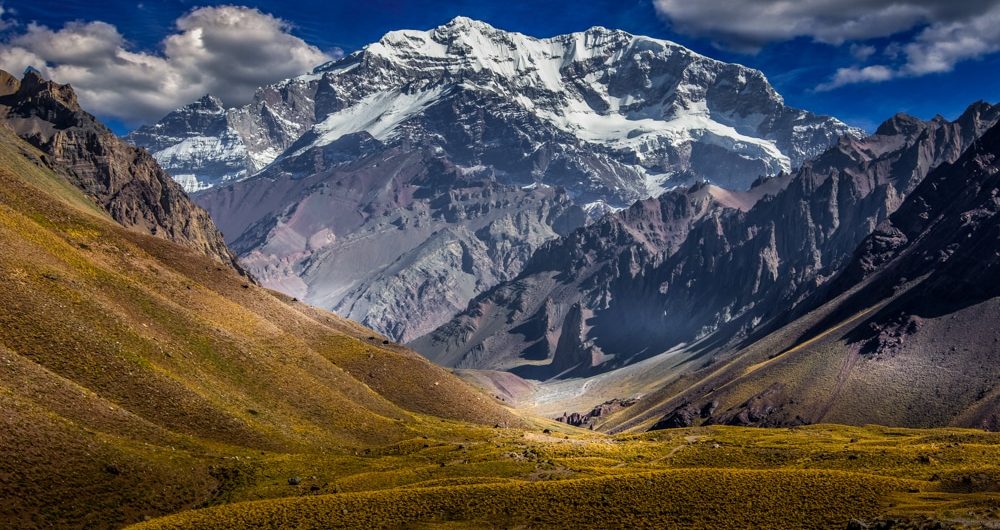
Kilimanjaro is, after all, a hike. It's not quite an expedition, but more like a long weekend trek. It's a pleasant trek because it passes across several distinct plant zones. Guiding is required. You generally have porters as well, so trekking with just a little day bag and a few hours a day is really comfortable. Summit day is just like any other trek, except that you have to start early because of some bizarre obsession with the sunrise - I think they're just trying to make these 6 hours or so seem longer than they are. For the great majority of individuals, altitude is not a concern. For practically any reasonably fit hiker, this is the place to be. It was a wonderful trek. There aren't any technical paths to take. It's a lovely African colossus. Check out Mount Kilimanjaro packages Which one is higher, Aconcagua or Kilimanjaro? Aconcagua measuring 6,961 meters above sea level is far higher the Mount Kilimanjaro at 5.895 meters and is not located on the equator. While the primary route is still mostly a trek, it is not intended to be a long weekend excursion. You're on a considerably more adventurous mission here, with the weather playing a major influence (not really a factor on Kilimanjaro). I spent the greatest amount of time on a permit (3 weeks vs. 5 days). There are both technical and extremely tough paths up. It's a significant difficulty increase from Kilimanjaro. Kilimanjaro has a low mortality rate compared to the number of summits; on Aconcagua. Kilimanjaro does not have many expert climbers dying. The guides' risk-taking abilities are also unrivaled: Climbing Aconcagua is more dangerous than Kilimanjaro Because of the dangers, guides in Aconcagua are exceedingly cautious and always stick to the plan. Daily medical tests are conducted
Kilimanjaro is, after all, a hike. It’s not quite an expedition, but more like a long weekend trek. It’s a pleasant trek because it passes across several distinct plant zones. Guiding is required. You generally have porters as well, so trekking with just a little day bag and a few hours a day is really
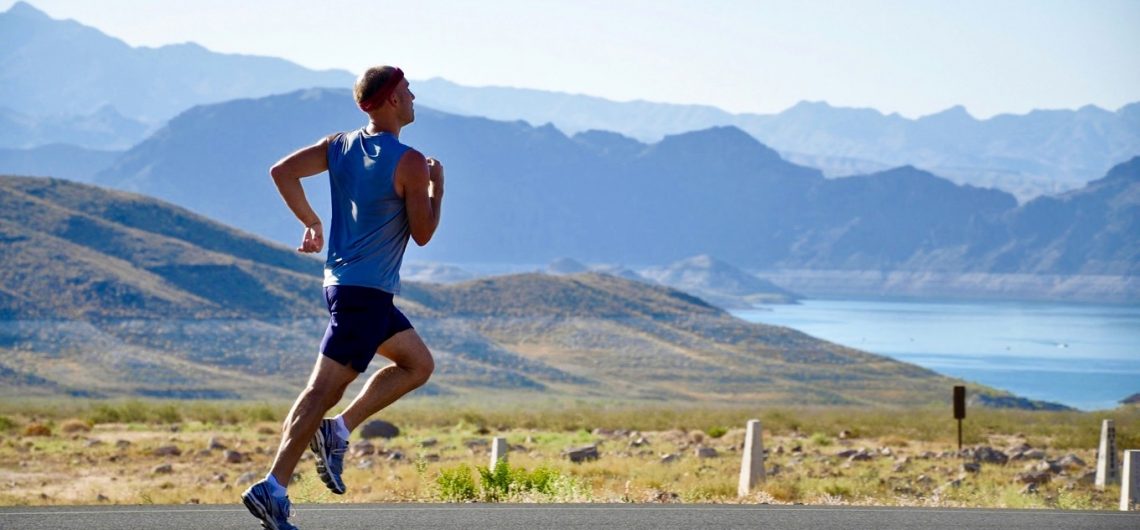
The best way to prepare for Kilimanjaro is to walk a lot, especially at a fast speed. You should try to escape to the highlands on weekends and days off. Even on consecutive days, try to walk for 6 to 8 hours. Even try camping out on the nights in between, but don't become too attached to the notion. To boost your aerobic capacity, pick up the speed, especially on uphill stretches. Use the boots you'll be bringing with you to have them fully worn in. Simply ensure that your knees, shoulders, hands, and ankles are limber and that you can easily climb a day trek hill, that you are comfortable with altitude, that your blood pressure is normal (it will be checked), and that your legs are strong enough to propel you through uneven terrain without difficulty. Except for the first and last, the daily excursions are rather brief. The ability of your red blood cells to carry oxygen (which is inherited and cannot be improved) will have a greater influence on your ability to climb than anything else. More information about climbing Mount Kilimanjaro can be found here Most people going up don't have much with them save a water bottle, some nibbles in their pockets, and wet naps. Below are the top 10 tips to help you train and get fit for your Kilimanjaro climb Lose any excess weight; carrying it about at altitude will be considerably more difficult. Start hydrated and with adequate carbohydrates stored as muscle fuel, and don't workout for a week or so while carbo-loading. Ensure that your lower back is both strong and flexible. Make bodily workouts, particularly running, in locations with high elevations to help your body adapt to the climatic conditions encountered on Mount KILIMANJARO. Aside from workouts, you should
The best way to prepare for Kilimanjaro is to walk a lot, especially at a fast speed. You should try to escape to the highlands on weekends and days off. Even on consecutive days, try to walk for 6 to 8 hours. Even try camping out on the nights in between, but don’t become too
The main reason why Mount Kilimanjaro's summit is snow-capped and covered with ice at the top is owing to the fact that it is located at a high elevation. Simple. The highest point of the mountain is 19,341 feet above sea level. The temperature at the summit will be roughly 38 degrees C cooler than the same latitude at sea level, assuming a typical lapse rate of -2 degrees C per 1000 ft rise in height (-3.5 degrees C). So, when the prevailing sea level temperatures are 38 degrees C or below, it will be freezing (or colder) at the summit of the mountain during that time of year. Read more about the best time of the year to climb Mount Kilimanjaro It becomes chilly at the summit of a mountain, especially if it's higher than 19,000 feet. Much of the equatorial region is also tropical, as is a portion of Kilimanjaro's base. How does snow form on Mount Kilimanjaro? Snow is created primarily by precipitation (mainly rain) and freezing temperatures. Rain falls in the tropics, and cold falls at altitude, resulting in snow. Also, it's cold and high up in general, and almost any place/mountain with such elevation and temperature has snow on the peak. As you climb higher in height, the temperature lowers ( The higher you go, the cooler it becomes). This is a 60-degree drop from Kilimanjaro's elevation of 19,384 feet above sea level. So it's still 30 at the top, even if it's ninety at the bottom. The nights will be colder, and the days will not be warm enough for the snow to melt. It's important to remember that as height rises, temperature drops. For every 1km increase in height, the temperature drops by 6.5 degrees Celsius. This is why, despite their proximity to
The main reason why Mount Kilimanjaro’s summit is snow-capped and covered with ice at the top is owing to the fact that it is located at a high elevation. Simple. The highest point of the mountain is 19,341 feet above sea level. The temperature at the summit will be roughly 38 degrees C cooler than
Why is climbing Mount Kilimanjaro so damn expensive? You may ask. Well, the answer lies in the park fees and other logistics, but mainly due to park fees and taxes. Many people are astonished to learn how much it costs to climb Kilimanjaro (spoiler: the price varies according on the route, group type, and operator, but it ranges from $1500 to $3000). Mount Kilimanjaro National Park fees, which are determined by KINAPA (the Kilimanjaro National Park Authority) and are an obligatory expenditure to enter the park, account for the majority of the high cost. Because park fees account for 50-70 percent of overall climbing costs, I thought it would be helpful to clarify how they function, what components make up park fees, and what reductions are available. Get a free Mount Kilimanjaro Quote here Park entrance fees for Mount Kilimanjaro What is included in the Kilimanjaro Park Fees? You may see the most up-to-date Kilimanjaro National Park fees for 2021/2022 here. These are anticipated to be the same in 2022 and 2023. There are six primary components to the fees. The following are the details: Conservation fees The Conservation Fee is used to fund the National Park's preservation, care, and maintenance. The price is US$70 per trekker per day, and it is levied for each day a trekker spends inside the park. A trekker hiking the 7-day Machame, for example, would be charged $490 (7 x $70 each day). Camping Fees All other routes on Kilimanjaro utilize public campsites, with the exception of the Marangu route, which has hut lodging. Kilimanjaro's campsites are maintained and cared for by the National Park, which levies a daily camping fee of $50 per trekker every night camped. Using the same example as before, a trekker on the 7-day Machame would camp for 6
Why is climbing Mount Kilimanjaro so damn expensive? You may ask. Well, the answer lies in the park fees and other logistics, but mainly due to park fees and taxes. Many people are astonished to learn how much it costs to climb Kilimanjaro (spoiler: the price varies according on the route, group type, and operator,