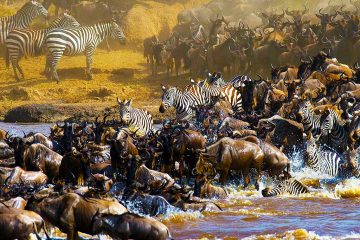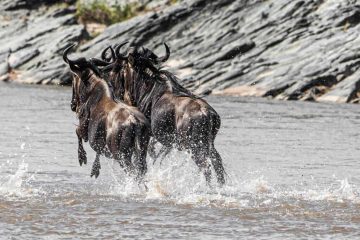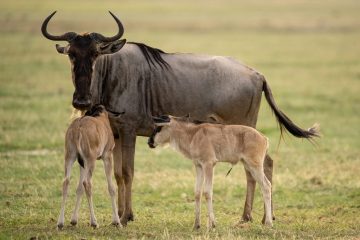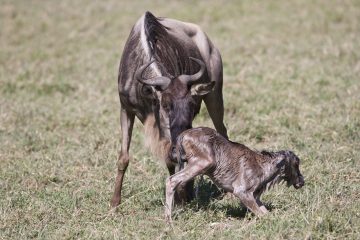
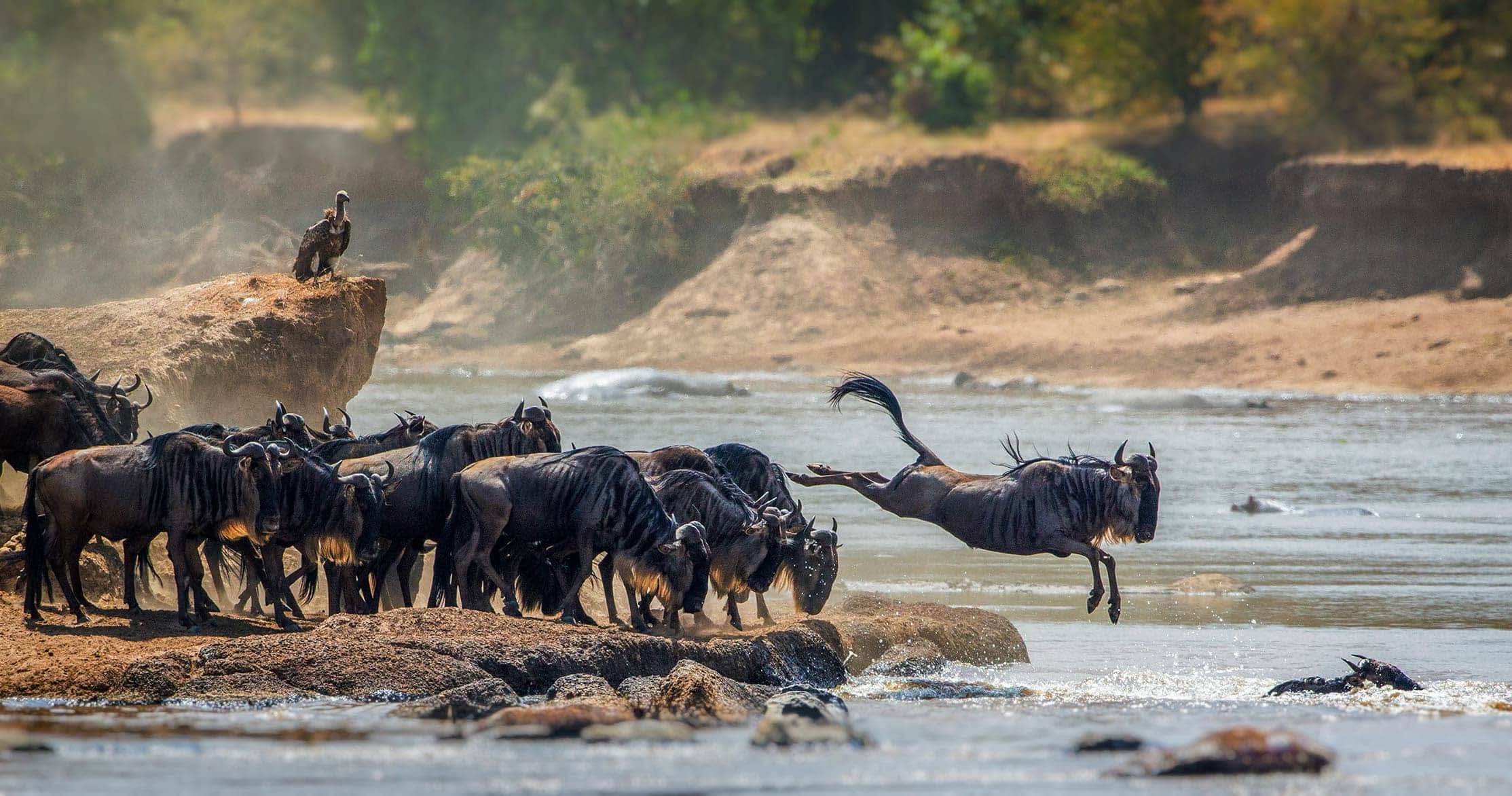
The Serengeti national park is the center of attraction when it comes to safari destinations in Africa, not just Tanzania and this is due to many reasons. Tanzania’s crown treasure is the Serengeti National Park. It is one of Africa’s most well-known game-viewing parks and a serious contender for the greatest wildlife experience on the planet. Perhaps the major reason why most tourists flock to this massive park is the great wildebeest migration, a crowd puller that makes the Serengeti plains busy all year round. Since it happens in every different corner of the park, this event is a continuous cycle, often broken into four to five main stages based on location and behaviour, driven by the search for water and grazing. Key phases include the southern Serengeti calving (Jan-March), the Western Corridor/Grumeti River crossings (May-June), the Mara River crossings (July-Oct), and the return journey (Nov-Dec). To learn more about the great wildebeest migration within the Serengeti ecosystem and beyond, see here.

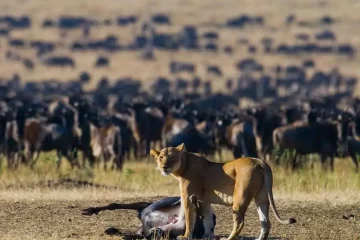
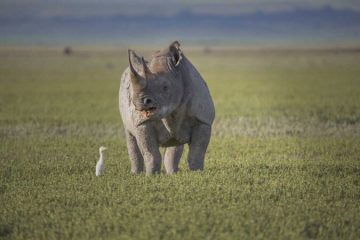
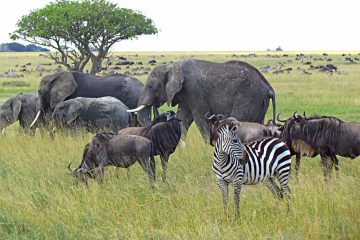
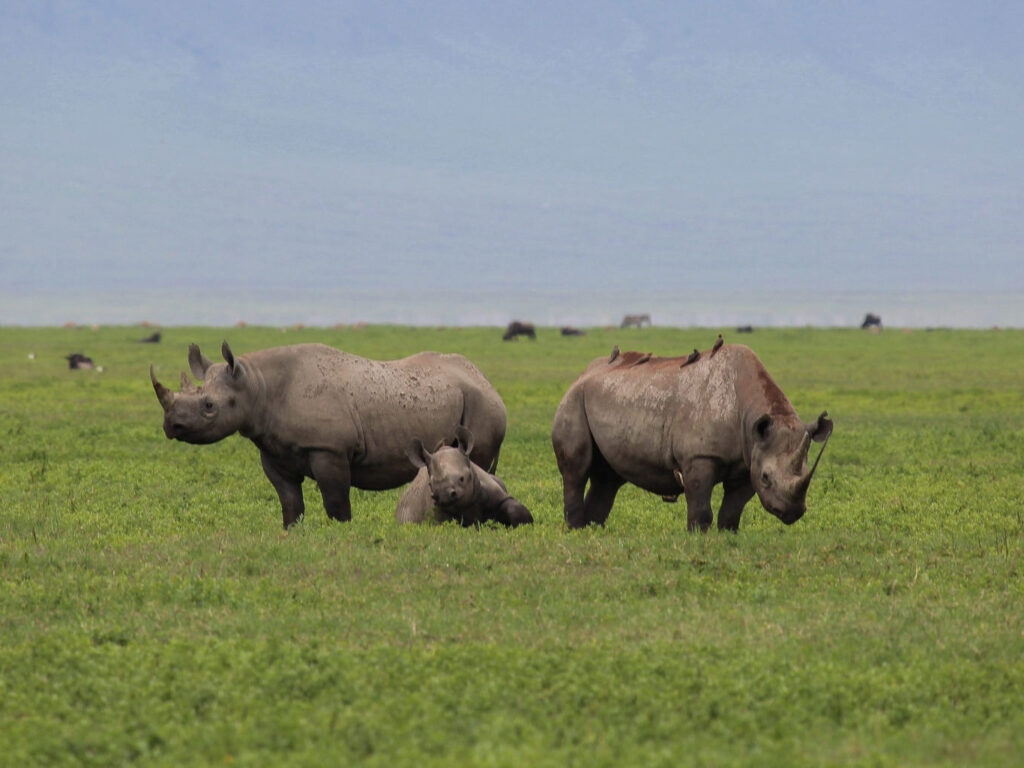
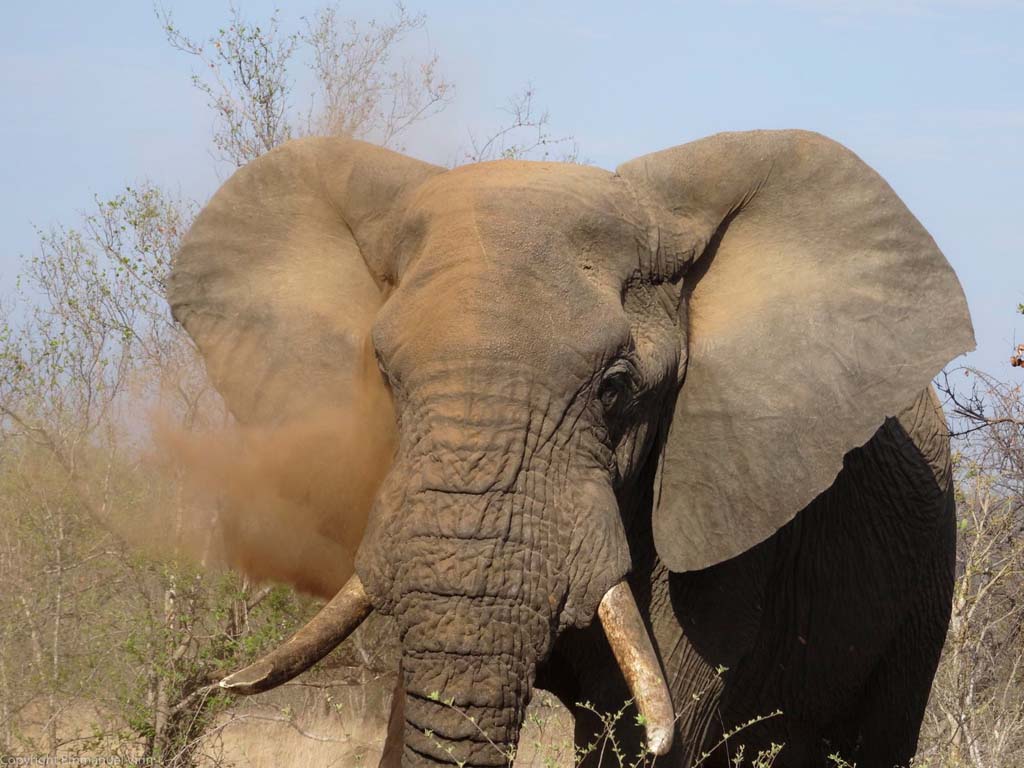
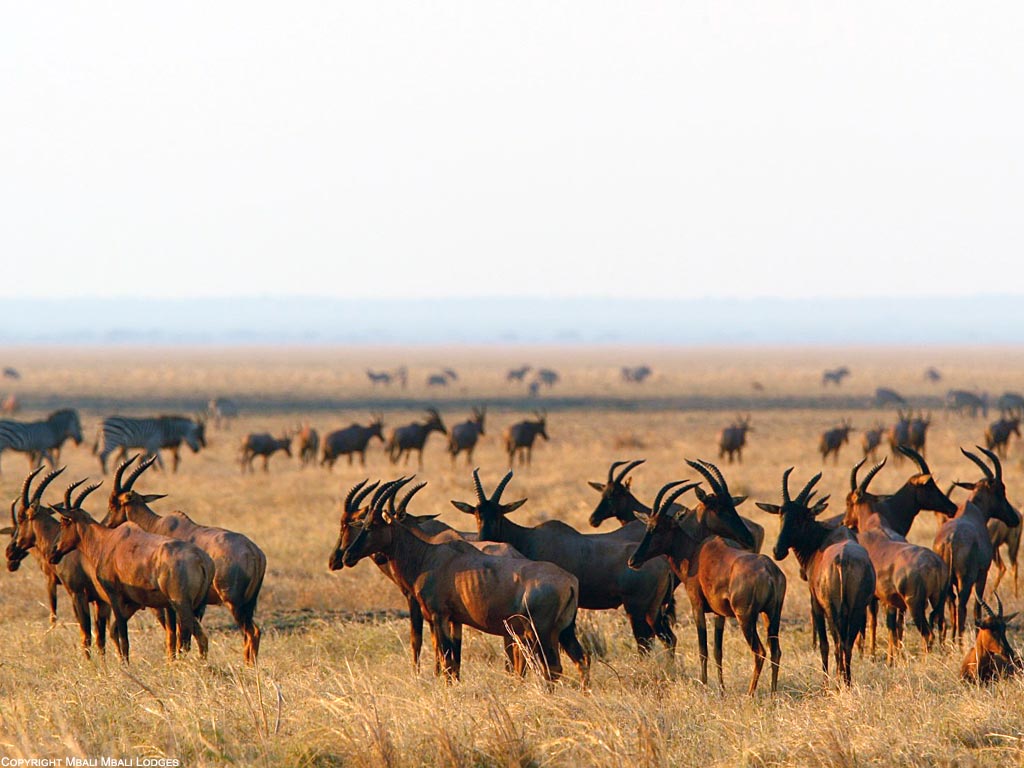
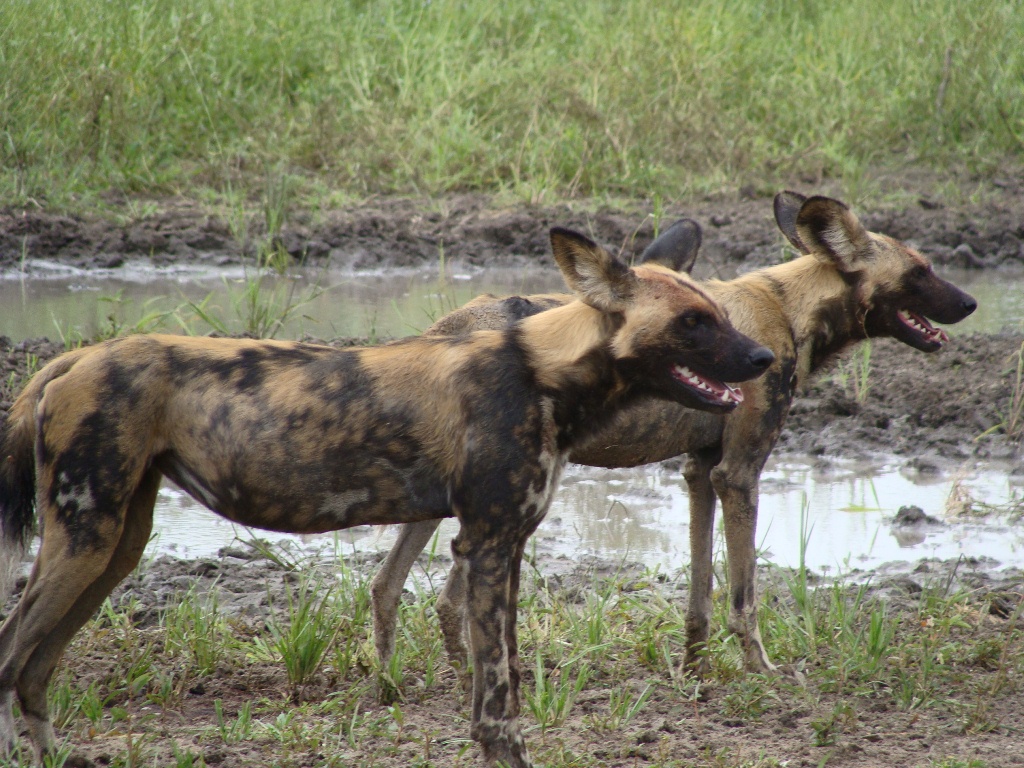
The annual migration of two million wildebeests, plus hundreds of thousands of gazelles and zebras – followed by their predators in their annual migration in search of pasture and water – in the vast plains of Serengeti National Park, which covers 1.5 million hectares of savannah, is one of the most impressive natural spectacles in the world. The park has a high level of biological variety, with at least four globally vulnerable or endangered animal species present: black rhinoceros, elephant, wild dog, and cheetah.

Serengeti National Park is a national park and wildlife sanctuary located in north-central Tanzania on the Serengeti Plain. It is located northwest of the bordering Ngorongoro Conservation Area and partly next to the Kenyan border. It is most renowned for its massive herds of plains animals (particularly gnu [wildebeests], gazelles, and zebras), and it is the only area in Africa where gigantic land-animal migrations still occur. In 1981, the park was included on the UNESCO World Heritage List as a worldwide tourist destination.

The park, which was founded in 1951, encompasses 5,700 square miles (14,763 square kilometres) of some of Africa’s greatest grasslands, as well as large acacia forest-savannah.

The park stretches 100 miles (160 kilometres) southeast from places along Lake Victoria’s coasts and 100 miles (160 kilometres) south from the Kenya-Tanzania border, with heights varying from 3,020 to 6,070 feet (920 to 1,850 meters). Many of the park’s species move over the “western corridor” to Lake Victoria.

  • The Serengeti National Park was established in 1951 and designated a UNESCO World Heritage Site in 1981.
  • The name “Serengeti” comes from the Maasai language, meaning “endless plains.”
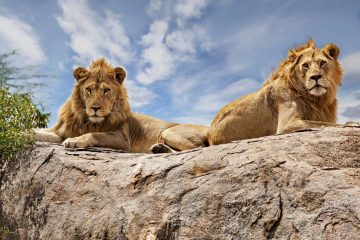
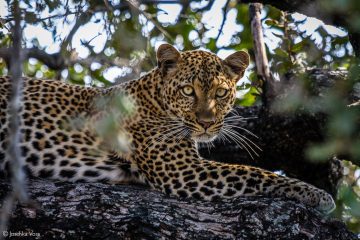
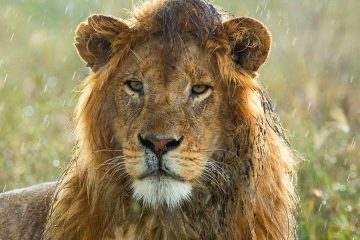
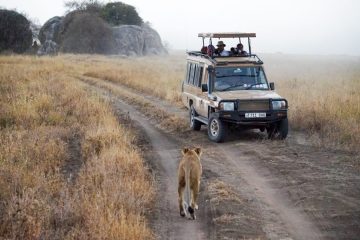
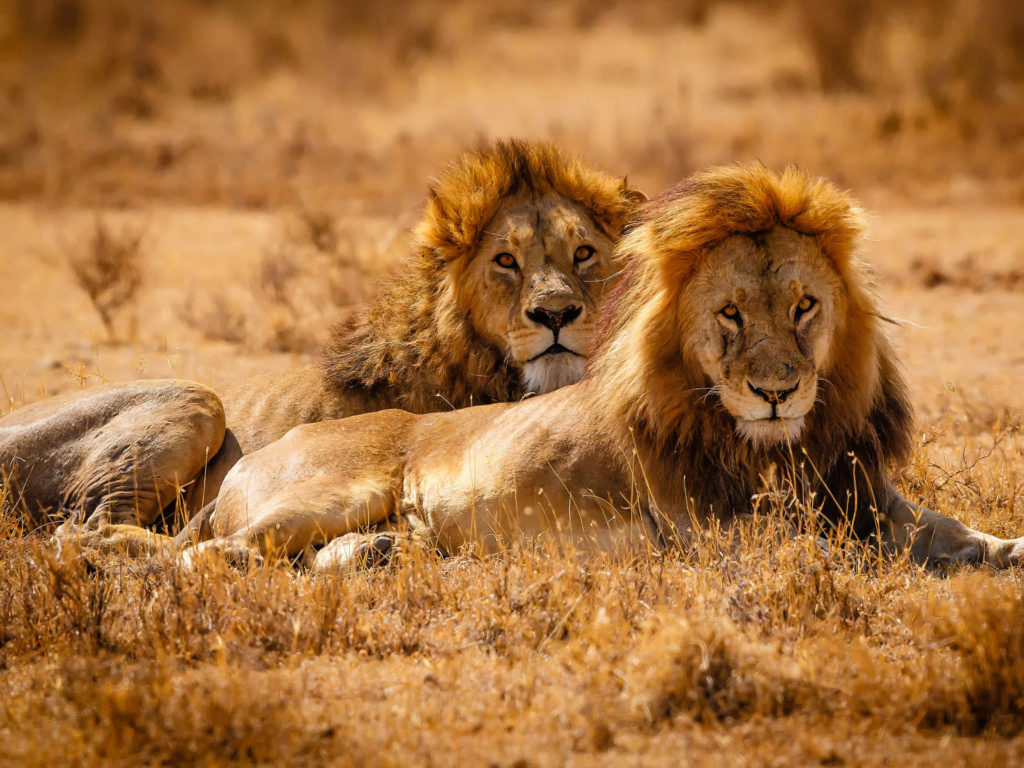
  • The park is known for its high predator density, including large lion prides and elusive leopards.
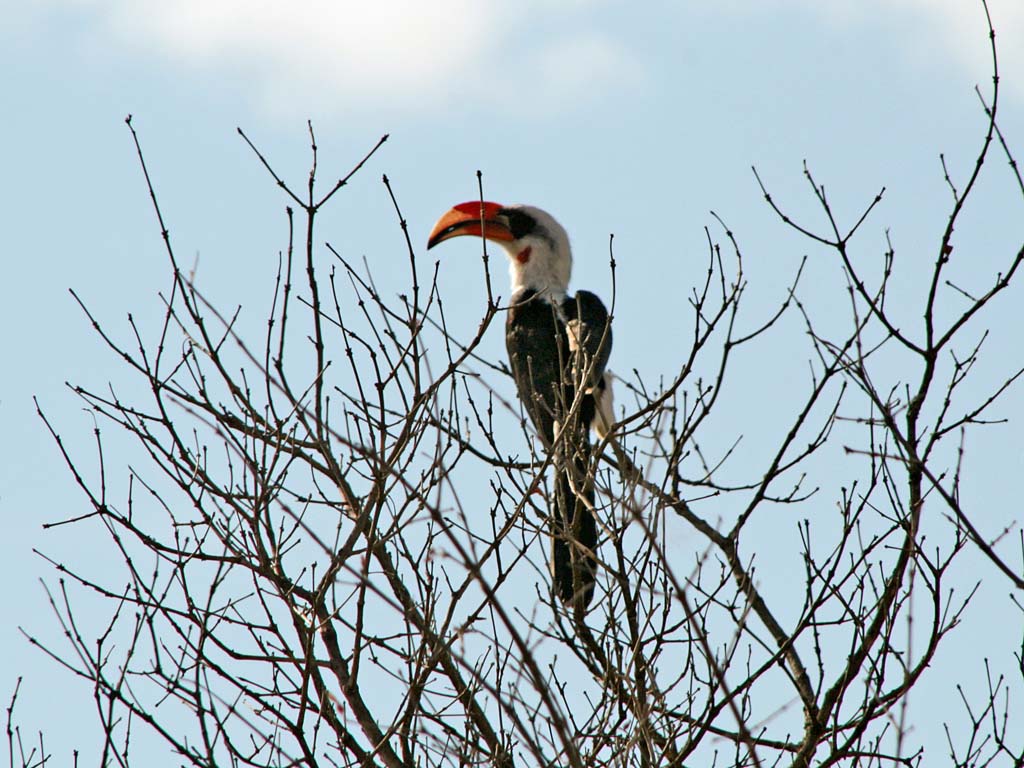
  • It is home to over 500 bird species, making it a paradise for birdwatchers.
  • The Great Migration is one of the most impressive wildlife safari spectacles on the planet, attracting visitors from around the world.

Browse our Kilimanjaro & Safari Combos
Book Now

Serengeti Safari Itineraries

Day tour Lake Manyara flamingos

1 Day Trip Lake Manyara National Park

A day trip to Lake Manyara National Park is a great chance to experience the authentic feel of Africa. Lake
tarangire National Park day trip

1 Day Trip Tarangire National Park

Your Tarangire day trip begins with a drive from your accommodation in Arusha to the Tarangire National Park, which will
Ngorongoro Crater Safari

1 Day Ngorongoro Crater Safari

A day tour to Ngorongoro Crater will provide an opportunity to discover Tanzania wildlife through a one-day game drive activity.
Arusha National Park day trip

1 Day Arusha National Park Safari

Arusha National Park day trips are always rewarding experiences to come from within Arusha town, which is only 45 minutes
10 Days Tanzania Safari

10 Day Tanzania Safari Experience

This 10 day safari experience covers all the best attractions of the Northern Circuit. You will be very unlucky if
Kilimanjaro, safari and Zanzibar

15-Day Kilimanjaro Machame Climb, Serengeti Safari, and Zanzibar

This 15-day safari, Kilimanjaro, and Zanzibar beach trip include climbing Mount Kilimanjaro, going on safari in the greatest national parks
Northern and Southern Tanzania Safari

21 days Tanzania Safari + Zanzibar Beach - 3 Weeks in Northern and Southern Tanzania

Experience the best of Tanzania's wildlife with a 21-day safari that includes Nyerere National Park, one of the most underrated
Tanzania Photographic safari

12-Day Tanzania Photography Safari

Our 12 days Tanzania Photographic safari takes you through the Northern Safari Circuit, for wildlife photography, a region renowned for
Tanzania honeymoon safari

12 Day Tanzania luxury honeymoon safari experience with Zanzibar Beach

Embark on a 12 Day honeymoon safari experience with Tranquil Kilimanjaro, where Tanzania's captivating wildlife, breathtaking landscapes, and romantic settings
Tanzania honeymoon safari

12 Day Romantic Tanzania Honeymoon safari + Zanzibar Beach

Elope to a romantic adventure with a 12-day honeymoon safari and beach package in the spice islands of Zanzibar. Begin
11 Days Tanzania safari and Zanzibar Beach

11 Days Tanzania Safari & Zanzibar Beach

This is an unforgettable 11 days safari and Zanzibar beach escapade through Tanzania's magnificent landscapes and wildlife. Begin in Arusha
Tanzania lodge, tented camp safari and Zanzibar

10 Days Lodge + Camping Tanzania Safari + Materuni Cultural Tour

An incredible 10-day lodge and camping safari adventure in Tanzania is a versatile experience to taste the best of both
great wildebeest crossing

10 days Mara river crossing & Great Wildebeest migration, Serengeti safari

This epic 10-day safari of the wildebeest crossing across the Mara River from Tanzania's Serengeti National Park into the Masai
wildebeest with calves twins

8 Days Ndutu - Wildebeest Calving Season Safari

The 8 day Ndutu Exclusive Calving safari is 100% proof that there is never a dull day at the Ndutu
Tanzania honeymoon safari

7-Day Honeymoon Safari in Tanzania

Your 7-day honeymoon safari in Tanzania begins with a relaxing arrival in Arusha, followed by immersive days spotting the Big
7 days Tanzania luxury safari

7 Days Tanzania Luxury Safari

7-day luxury safari in Tanzania where every moment is carefully crafted to offer an unforgettable experience is just for you

7 Days Ngorongoro Crater Rim Walking Safari & Maasai Village Visit

An activity-filled 7-day safari to the Ngorongoro Crater, where you get to actually get out of your vehicle and walk
7 days great wildebeest migration safari

7-Day Great Wildebeest Migration Safari in the Western & Central Serengeti

An unforgettable 7-day great wildebeest adventure across the Western Corridor, Grumeti, and Mbalageti to Central Serengeti through Tanzania's wilderness with
Tanzania safari 10 days

10 Days Best of Tanzania Safari

The 10-day Best of Tanzania safari adventure lives up to its name, and takes you to the wonders of this
Safari and Kilimanjaro

7 days Tanzania Safari

This carefully crafted 7-day Tanzania safari takes you deep into the heart of Northern Tanzania's most spectacular national parks, where
Ballon flying over Serengeti

7 days Tanzania Fly-in Tarangire, Serengeti, Ngorongoro Luxury Safari + Optional Balloon Safari

This airborne 7-day luxury fly-in safari gives you the aerial view of the vast and wildlife-rich wilderness of Africa as
6 days Tanzania walking safari, ngorongoro crater rim and lake natron

6 days Ngorongoro Crater Rim, Empakaai & Lake Natron Walking Safari

This active 6-day walking adventure combines classic Tanzanian wildlife experiences with an unforgettable multi-day walking safari through the dramatic landscapes
6 days Tanzania Safari

6 days Tanzania Safari

In just six tightly crafted safari days in Tanzania, this itinerary delivers the absolute essence of this magnificent country without
Wildebeest calving safari

6 Day Wildebeest Calving season & Migration Safari in Ndutu - Serengeti

This life-touching 6-day wildebeest calving season safari gives you an insight into the life cycle of the wildebeests of Africa
Tanzania safari

5 Days Tanzania Safari

If you have 5 days to spend on a safari in Tanzania, then this five-day safari is all you need,
4 days Tanzania Safari

4 Days Tanzania Safari - Tarangire, Serengeti, Ngorongoro

The four-day Tanzania safari itinerary to Tarangire, Serengeti and Ngorongoro is loved by Mount Kilimanjaro climbers because it is short

4 days Ngorongoro & Serengeti Safari

This 4-day safari to Ngorongoro and Serengeti is pure, concentrated magic, designed for anyone who wants the two absolute heavyweights
3 days Tanzania safari

3 days Tanzania Safari - Tarangire, Ngorongoro, Lake Manyara

The 3-day Tanzania safari is the equivalent of striking 3 birds with one stone, as it takes you to some
3 days Serengeti Safari

3 days Serengeti Safari

The 3-Day Serengeti Safari(The shortest way to see the real Serengeti and still feel you’ve had the full experience). This

3 days Ngorongoro Safari

3 days of safari in Ngorongoro which welcomes to one of the most incredible wildlife adventures on the planet! The

Where is the Serengeti Located in Africa?

The Serengeti is located far up north of Tanzania, stretching all the way to the border with southwestern Kenya (where it becomes the famous Maasai Mara). This is classic East Africa — endless plains, scattered flat-topped acacia trees, and that wild, wide-open feeling most of us picture when we dream about the continent. The official Serengeti National Park covers about 14,763 square kilometres (roughly 5,700 square miles), but the whole ecosystem is much bigger, around 30,000 km². For map nerds, the central part of the park sits at approximately 2°20′S 34°34′E (or roughly -2.333° South, 34.833° East).

How to get to the Serengeti National Park:

  • Most international visitors fly into Kilimanjaro International Airport (JRO), about 320–420 km from the southern gates. Driving the whole way in a 4×4 takes 8–10 hours (scenic but long — many people break it with stops at Ngorongoro or Tarangire).
  • The far smarter option: a quick transfer to Arusha, then a scenic 45-minute to 2.5-hour flight straight into one of the park’s airstrips (Seronera for the centre, Kogatende for the north, Grumeti or Ndutu depending on the season).
  • From Arusha Airport (ARK) itself, the drive is about 325–350 km (6–8 hours) or an even quicker flight.

Once you land on one of those dusty airstrips, you’re literally minutes from seeing your first lions or herds. It’s part of Tanzania’s famous Northern Circuit, so most safaris combine it with Ngorongoro Crater and Lake Manyara.

Serengeti National Park gate, Naabi hillEntering the park

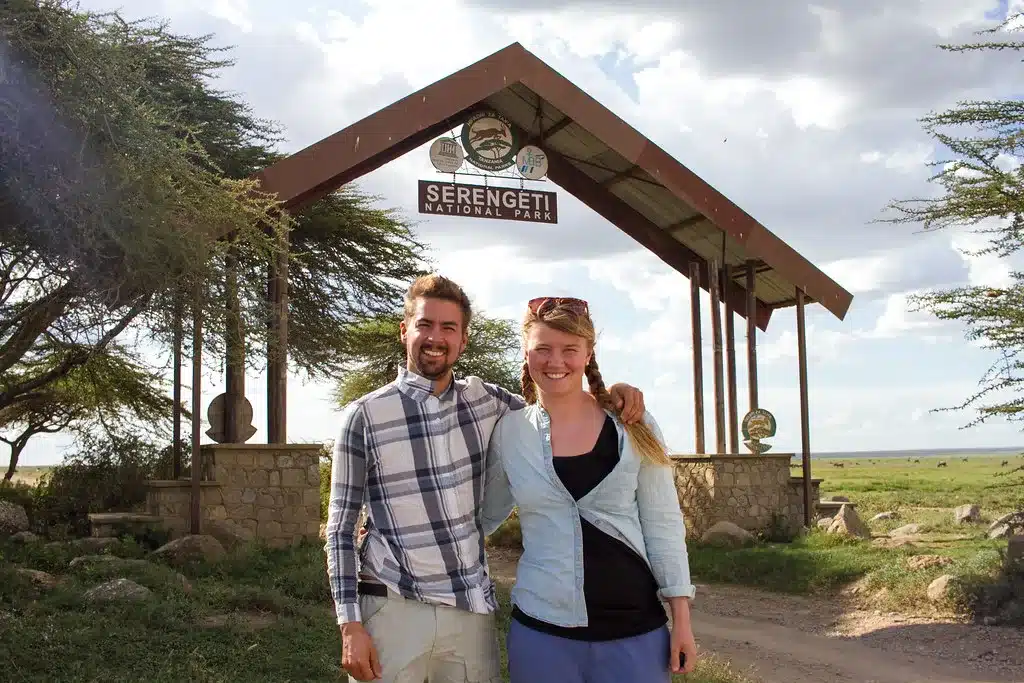
Serengeti National Park has several entry/exit points, with Naabi Hill Gate (southeast) being the busiest for Ngorongoro travellers, Ndabaka Gate (west) serving Lake Victoria/Mwanza, and Klein’s Gate (northeast) for Loliondo. Other, less frequently used gates include Handajega, Fort Ikoma, and the northern Bologonja Gate. Most gates open from 06:00 to 18:00.

Key Serengeti Entry Gates

  • Naabi Hill Gate (Main Entrance): Located 45 km from Seronera, this is the main and most used entrance for those driving from Arusha or the Ngorongoro Crater.
  • Ndabaka Gate (Western Corridor): Located in the southwest, this gate is about 2 hours from Mwanza and provides access to the Grumeti region.
  • Klein’s Gate (Northeast): Primarily used for accessing the park from the Loliondo Game Controlled Area, often used by tourists coming from Lake Natron.
  • Bologonja Gate (Northern): Located near the Kenya-Tanzania border, it serves as an entry/exit point for tourists travelling to or from the Masai Mara National Reserve. Note: This gate has previously experienced closures.
  • Handajega Gate (Southwest): A lesser-used, alternative gate located in the south-western area.
  • Fort Ikoma Gate (North-Western): Offers access to the western corridor and includes facilities like a canteen and, in some cases, park fee payment services.

Important Information

  • Operating Hours: All gates are generally open from 06:00 to 18:00.
  • Fees & Permits: Park fees can be paid at most gates using credit/debit cards.
  • Location Choice: Your entry gate should be chosen based on your accommodation location (e.g., Naabi Hill is best for the Seronera area).

What Animals Live in the Serengeti Plains?

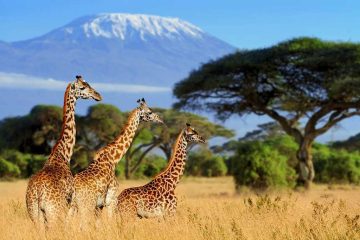
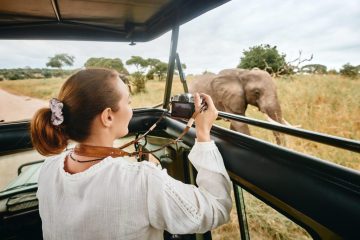
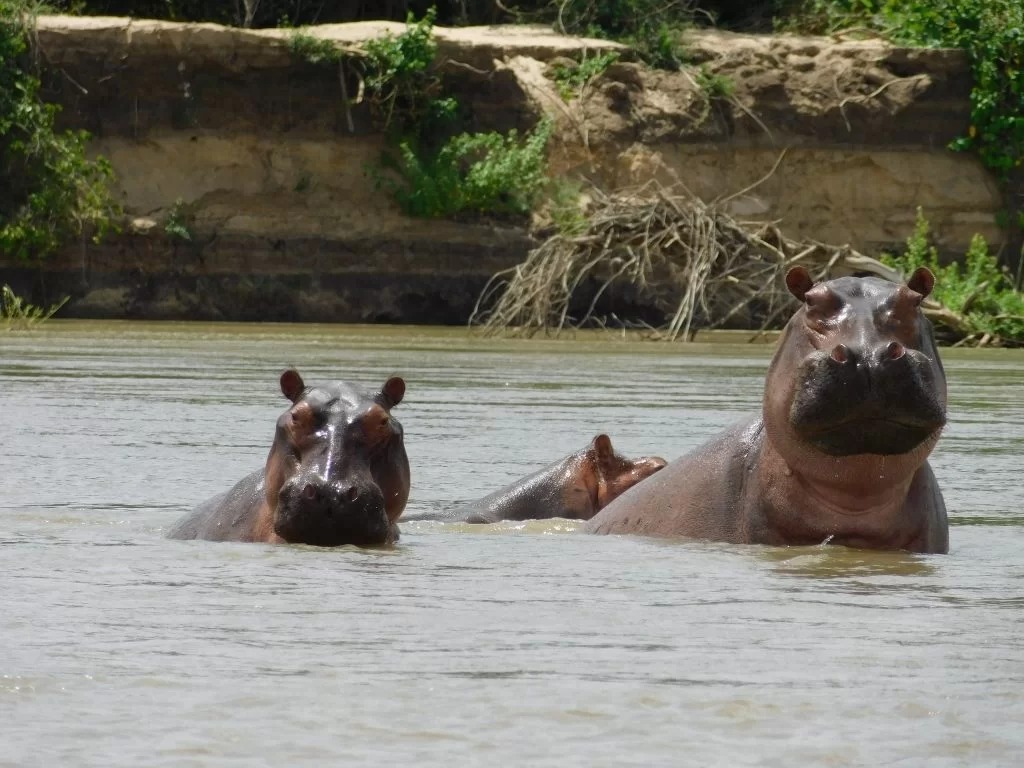
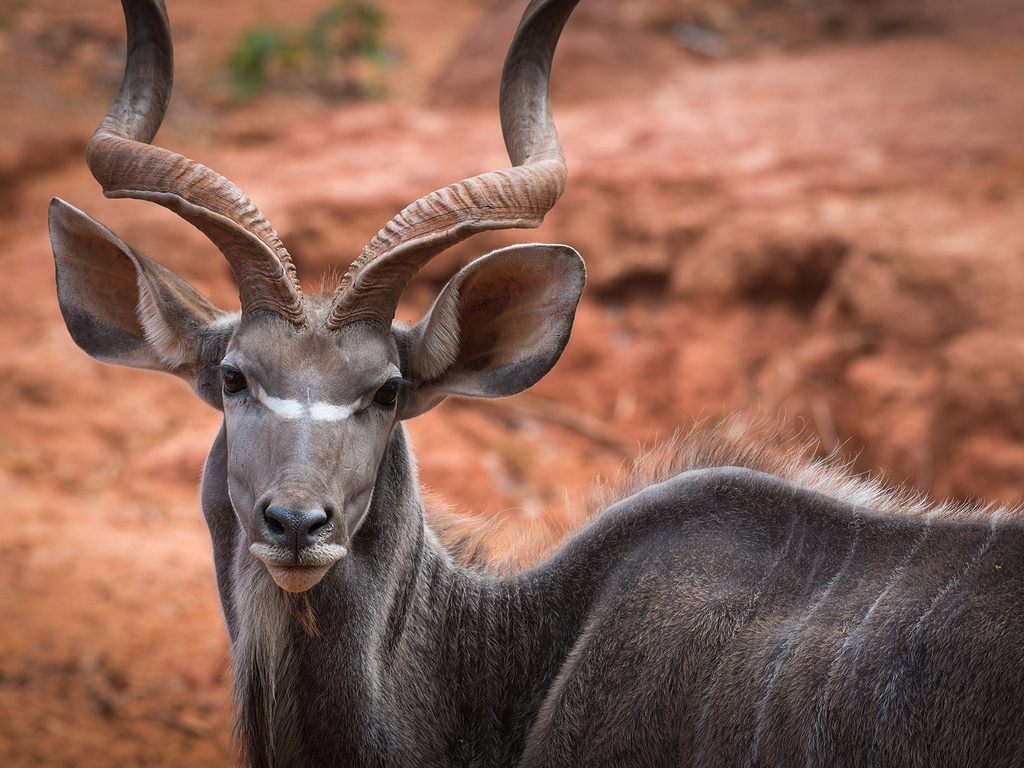
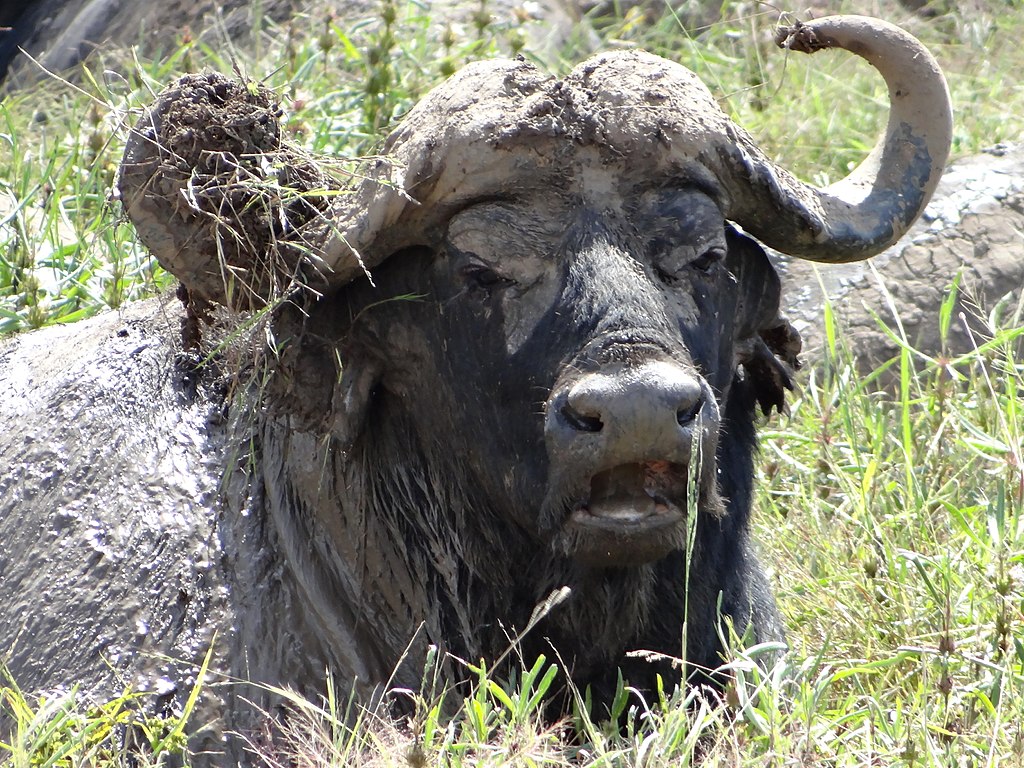
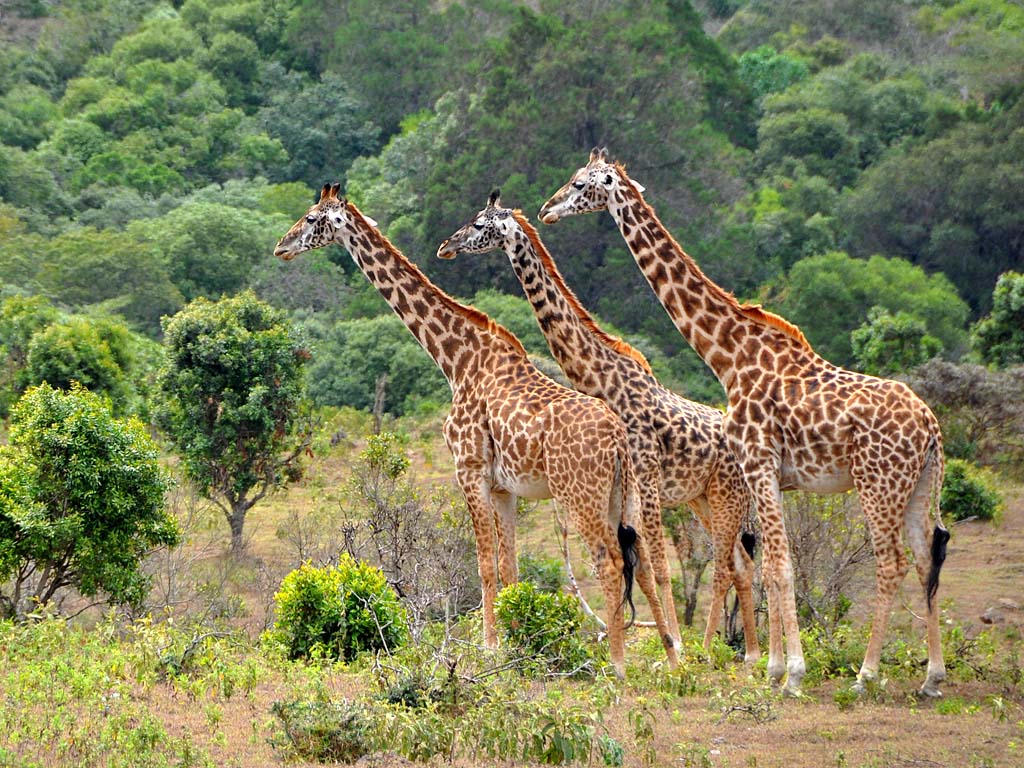
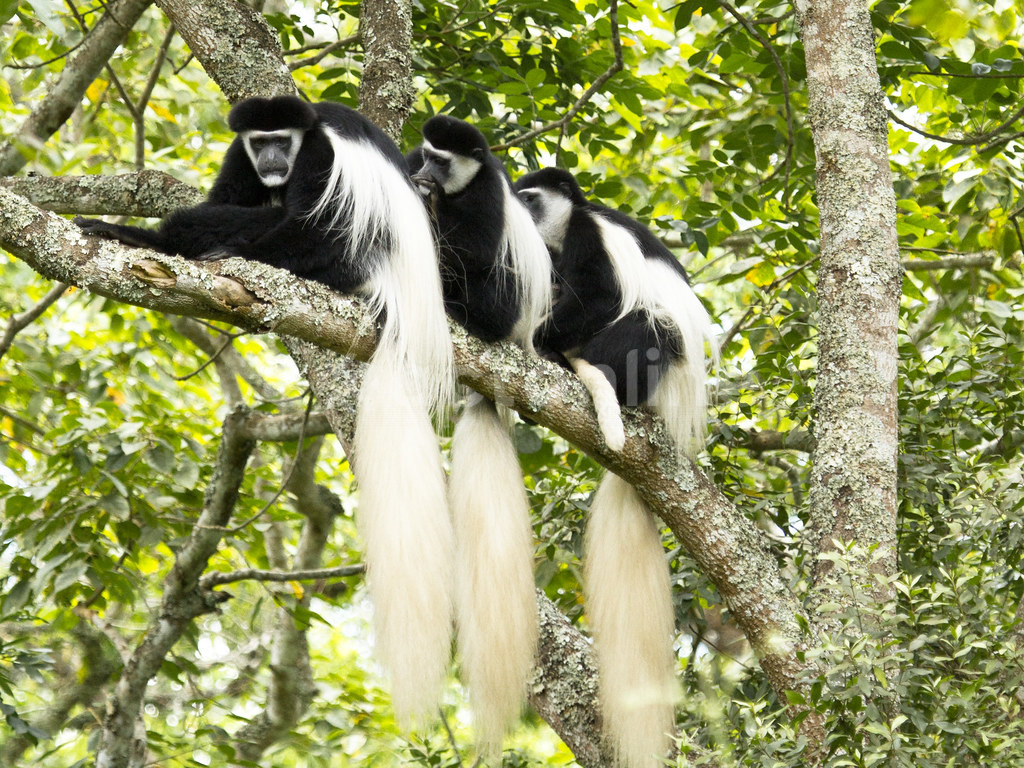
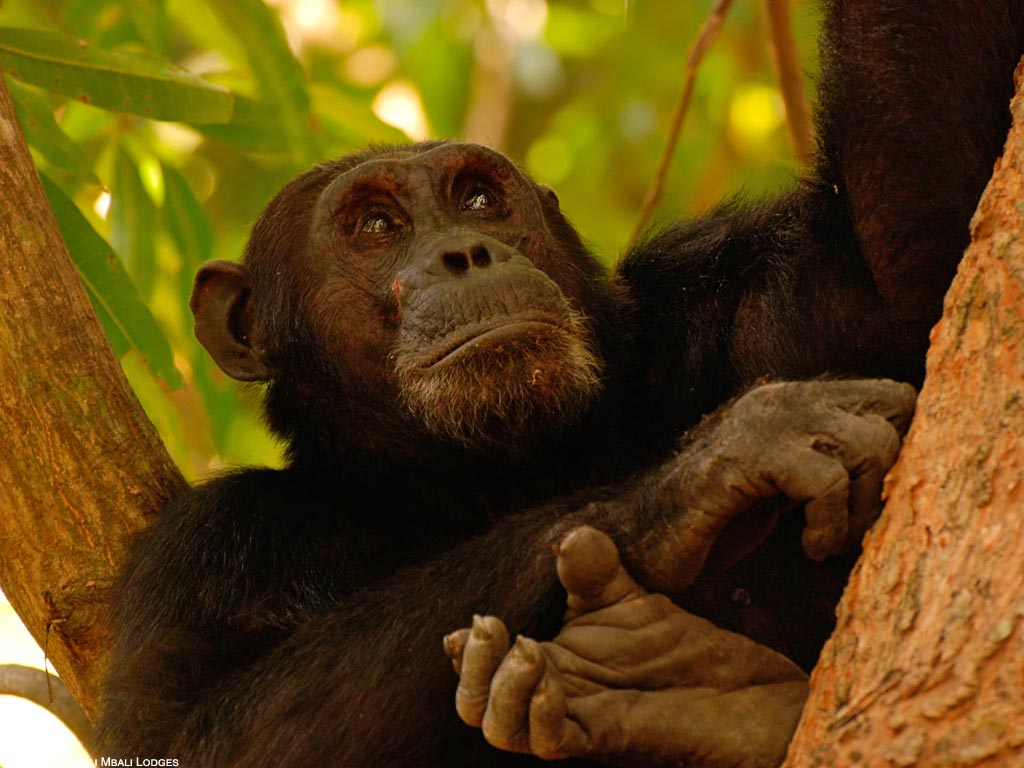
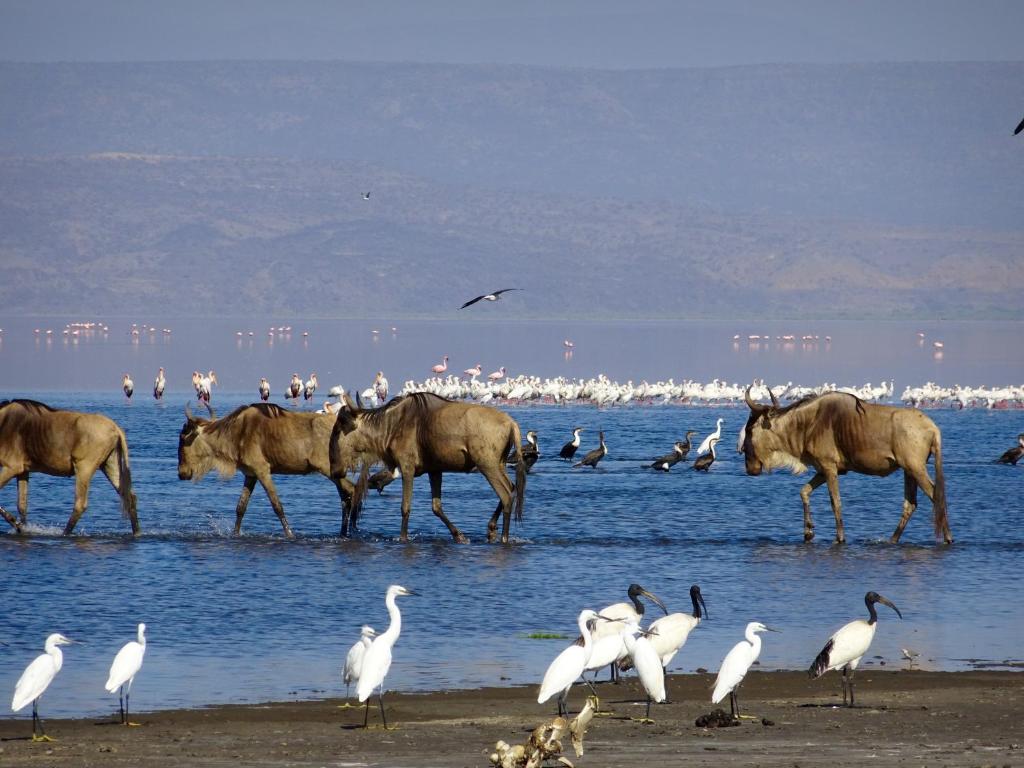
Serengeti National Park is one of those rare places where your imagination actually gets outdone by reality. The plains are home to the famous Great Migration — that incredible moving mass of nearly two million wildebeest, zebras, and gazelles following ancient routes written into their DNA across unfenced land.This is also Africa’s biggest predator hotspot. You’re in true Big Five territory: lions (often in huge prides), elephants, Cape buffalo, leopards draped over branches, and the occasional black rhino (though they’re rarer these days). Cheetahs do especially well here — one of the best places on the continent to watch them sprint. Add in giraffes, hippos wallowing in pools, crocs lurking at river crossings, laughing hyenas, and more than 30 species of antelope, and you start to understand why this place feels so alive. Over 500 bird species too — it’s wildlife on a scale that’s hard to believe until you’re sitting there in the middle of it.

Serengeti Safaris & Activities

A Serengeti safari is so much more than just chasing the migration (although that alone is life-changing). The park is huge, so you can always find your own peaceful corner even when some areas are busier. Here are the main experiences most people love:

Even if the big herds weren’t there, the Serengeti would still be one of Africa’s absolute best wildlife destinations because of its raw beauty, resident animals, and incredible variety of landscapes.

When’s the Best Time to Visit the Serengeti?

On paper, the dry months of January to mid-March or June to October are the best, but it all depends on what excites you most. If wildlife is your priority, the dry season (June to October) is pure magic. Animals gather around the last water holes, the grass is short, and you can actually see for miles. This is also when the wildebeest migration is in full swing—trust me, watching thousands of animals thunder across the plains is something you’ll never forget. Bird lovers, aim for the wet season (November to May). The plains turn green, migratory birds pour in, and the air fills with raptors, waterbirds, and flashes of colour everywhere. Want the wildebeest calving spectacle? Head there in January or February. The southern plains become one giant nursery as tens of thousands of calves drop—raw, noisy, and incredibly moving.

The Wildlife You’ll Actually See

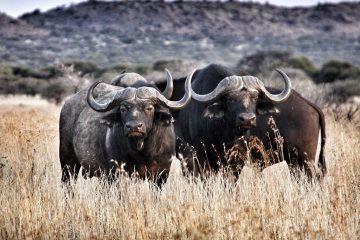
The Serengeti is alive in a way that’s hard to describe until you’re there. You’ll almost certainly spot the Big Five: lions lounging in the shade, elephants ripping up trees, leopards draped over branches, huge buffalo herds, and (if you’re very lucky) one of the few remaining rhinos. The real headline, though, is the Great Migration—over a million wildebeest, zebras, and gazelles on the move. Cheetahs are surprisingly common here too (one of the best places on the planet to watch them sprint). Throw in giraffes, hippos wallowing in pools, crocs waiting at river crossings, laughing hyenas, and dozens of antelope species, and you start to understand why people get hooked.
The Landscapes & Plants.
The scenery completely changes with the seasons. Wet months bring lush green grasslands that stretch forever. Dry season turns everything golden, with scattered acacia trees, thick riverine forests, and those dramatic granite kopjes (rocky outcrops) that animals use like lookout towers or shady retreats. It’s beautiful in completely different ways depending on when you go.

Where to Stay (in the Serengeti)

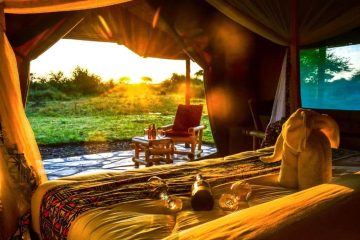
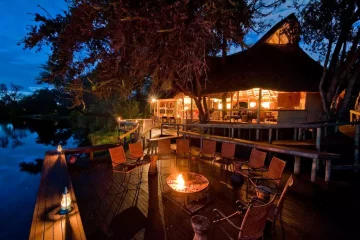
You’ve got everything from simple campsites to proper luxury, but the best experiences usually come from staying inside the park so you’re right in the middle of it all. A few places that consistently blow people away:

  • Singita Grumeti Serengeti House – Ultra-private, insane views, your own pool and personal chef. Feels like your own little slice of paradise.
  • &Beyond Serengeti Under Canvas – These tents actually move with the migration. Elegant, proper beds, hot bucket showers—glamping at its absolute best.
  • Four Seasons Safari Lodge Serengeti – Stylish rooms, great food, spa, and infinity pool in the heart of the park. Perfect if you want a touch of comfort between game drives.
  • Singita Sasakwa Lodge – Opulent cottages, swimming pool, and activities including horseback safaris.
  • Serengeti Serena Safari Lodge – Classic African style with modern touches and beautiful sunset views over the plains.
  • Lemala Ewanjan, Asilia Namiri Plains, Sanctuary Kichakani, Serengeti Pioneer, and Serengeti Migration Camp are all excellent for that intimate bush feel—especially if you want to focus on big cats or follow the herds.

The Great Wildebeest Migration

This is the one most people come for, and it really lives up to the hype. Roughly 1.5 million wildebeest (plus zebras and gazelles) follow the rains in one giant circle. Timing shifts slightly every year, but you’ll generally find the herds in the Serengeti from July to October, with those heart-stopping Mara River crossings happening around August and September.Serengeti Safari Tips (From Someone Who’s Done It)

  • Book early—especially June to October. The really good camps fill up months ahead.
  • A brilliant guide makes all the difference. They’ll spot things you’d never notice and explain the whole ecosystem.
  • Pack smart: layers for cool mornings/evenings, good binoculars, extra camera batteries, sunscreen, hat, and bug spray.
  • Stay in the vehicle, keep your distance from the animals, and always follow your guide—safety first.
  • Get out at dawn and dusk. That’s when the light is perfect and the animals are most active.
  • Don’t rush. Take time to enjoy the small stuff too—the birds, the way the light hits the acacias, the complete silence between dramatic moments.

Highlights You Shouldn’t Miss

  • Watching the migration river crossings
  • Big cat action (lions, leopards, and cheetahs everywhere)
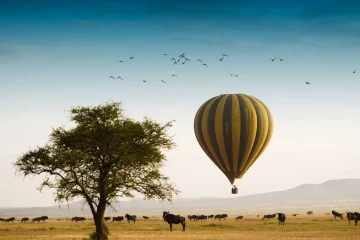
  • A sunrise hot-air balloon ride over the plains
  • The kopjes—great for spotting leopards and rock hyraxes
  • Seronera Valley for year-round wildlife
  • Hippo pools at sunset
  • Those endless golden plains turning pink at dusk